 Approved by Dr. Dwight Alleyne, DVM
Cat Heart Rate Guide: Why You Should Care About Your Cat’s Vitals
Ever wonder about your cat’s heart rate? It’s more important than you might think! Our comprehensive guide covers everything from understanding normal heart rates to spotting signs of trouble. Plus, the simplest way to monitor your cat's heart rate every day.
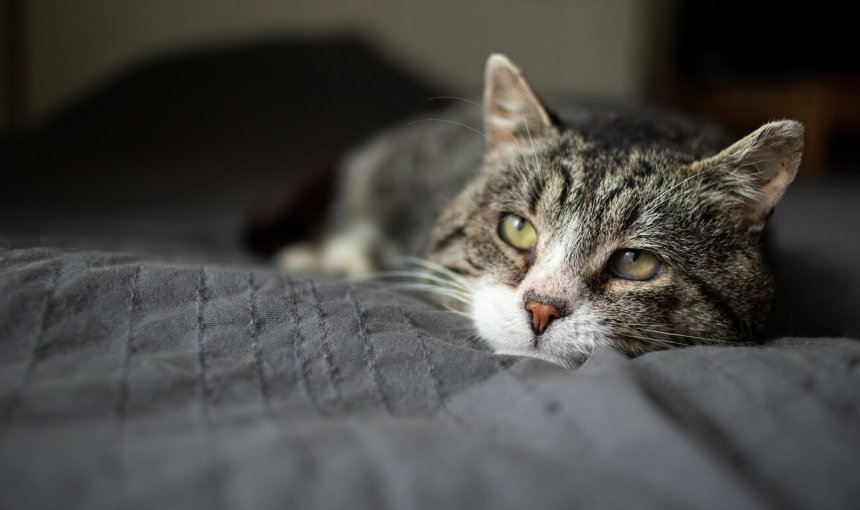
Did you know an elevated or slow heart rate in your cat can be an early sign of illness, often before other symptoms show up? Therefore, it’s important to check your cat’s resting heart rate regularly. Find out what a normal cat heart rate is and how to spot abnormalities in this guide, so you can keep your furry friend healthier, longer!
Key Takeaways
- A normal resting cat heart rate is 160-200 beats per minute. Regular monitoring helps keep track of their health.
- Age, activity, emotional state, and health conditions can all impact heart rate.
- No stethoscope necessary – smart pet tech like the Tractive Cat Tracker monitors your cat’s heart rate regularly, so you don’t have to. It even sends you health alerts if something seems off.
- Any irregularities in heart rate, especially if combined with other symptoms, should prompt a visit to the vet for early diagnosis and treatment.

Track your cat’s whereabouts, monitor their health
Shop Cat TrackersCat heart rate: What it is and why it matters
A cat’s heart rate is the number of times their heart beats per minute (bpm). It’s one of their vital signs and a key indicator of health and fitness.
It’s normal for a cat’s heart rate to go up and down throughout the day. When they’re playing or anxious their heart rate will naturally be higher than when they’re calm and at rest. So you might think you don’t need to pay attention to your cat’s heart rate… but think again.
Cat resting heart rate: a key insight into your pet’s health
While heart rate can vary throughout the day, it’s your cat’s resting heart rate that really matters. If your cat’s resting heart rate falls within a normal range, it’s a positive sign for their health. On the other hand, if their resting heart rate is consistently too high or too low, it could indicate a serious health issue such as heart disease.
By monitoring your cat’s resting heart rate regularly, you can find out if it’s normal or not and stay on top of any potential health issues. Remember, early detection and early treatment are key when it comes to ensuring the best health outcomes for your feline friend.
What is a normal heart rate for a cat?
A cat’s heart beats faster than that of a human or a dog. Which makes sense, because smaller animals generally have faster heart rates than larger ones1. A normal resting heart rate for an adult cat is 140 to 220 beats per minute2. Keep in mind, what’s “normal” for your cat will vary from that of other cats – depending on several factors, such as age.
Factors that affect a cat’s heart rate
Several factors play a role in your cat’s heart rate:
- Age: Younger cats generally have faster heart rates, while older cats have slower ones.
- Activity Level: Any burst of energy, like playing or chasing a toy, will make their pulse rise.
- Emotional State: Events like vet visits, new pets, or loud noises can elevate their heart rate due to stress or excitement.
- Health Conditions: Issues like heart disease, anemia, and pain can also influence the heart rate. Regular vet check-ups are essential.
How to check a cat’s pulse
A cat’s heart rate is usually determined with a stethoscope at the vet’s office. If you don’t have one handy, you can check their pulse rate which will also give you their heart’s bpm:
1) How to check your cat’s pulse manually
- Pick a calm moment: The best place to feel for a pulse is over the femoral artery on the inner side of the thigh. You can lightly place your hand on their inner thigh, feeling the pulse under your fingers.
- Count pulses: Count the number of beats in 15 seconds and multiply by four to get the beats per minute. It’s easier if your cat is calm or at rest.
2) Use a smart GPS and health tracker for cats
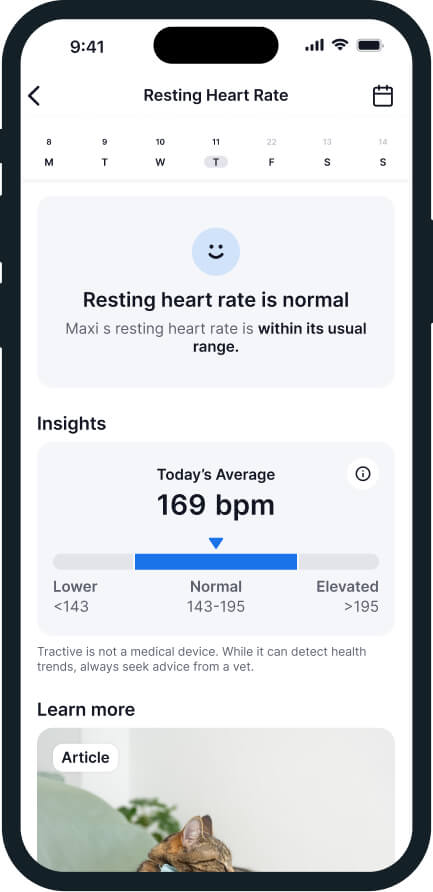
If you want to monitor your cat’s heart rate regularly, without much effort (and it’s a good idea), invest in a GPS tracker for cats with heart rate monitoring. Attach it to your cat’s safety collar and throughout the day, it will monitor your cat’s vital signs, giving you a daily average bpm and respirations per minute (rpm) as well as their activity, sleep, and location. With Tractive, you’ll get notified if your cat’s vitals are consistently low or elevated. It’s recommended by vets to keep tabs on your cat’s health and safety – and give you peace of mind.
3) Visit your vet
Another way to monitor your cat’s heart rate is to visit your vet and ask them to check your feline’s heart rate with a stethoscope. This is often done as a part of routine vet examinations.
Rapid heart rate in cats
Tachycardia or rapid heart rate in cats is defined as a heart rate of over 240 bmp3. A rapid heart rate is natural during play or if your cat is startled. However, if your cat’s heart is racing at rest or without an obvious reason, it might signal something more serious.
Causes of rapid heart rate in cats
- Stress
- Anxiety
- Pain
- Trauma
- Blood loss
- Shock
- Heart disease or heart failure
- Hyperthyroidism
- Asthma
- Pneumonia
Your cat may not show any outward signs of a rapid heartbeat, which is why regular monitoring is essential. Be on the lookout for related symptoms such as panting, lethargy, weakness, rapid breathing or vocalizing so you can get your cat to the vet asap if needed4.
Slow heart rate in cats
A slow heart rate in cats, also known as feline bradycardia, is a heart rate of less than 120 bpm5. It can be a sign of a more serious problem, especially if accompanied by other symptoms.
Causes of slow heart rate in cats
- Rest or sleep
- Electrolyte imbalances
- Hypothermia
- Heart disease
- Respiratory disease
- Neurological disorders
- Certain drugs and medications
Again, it might not be obvious that your cat is suffering from a slow heart rate. They may show no visible signs of illness. But keep an eye out for weakness, fainting, and lethargy in your cat, which are associated with bradycardia.
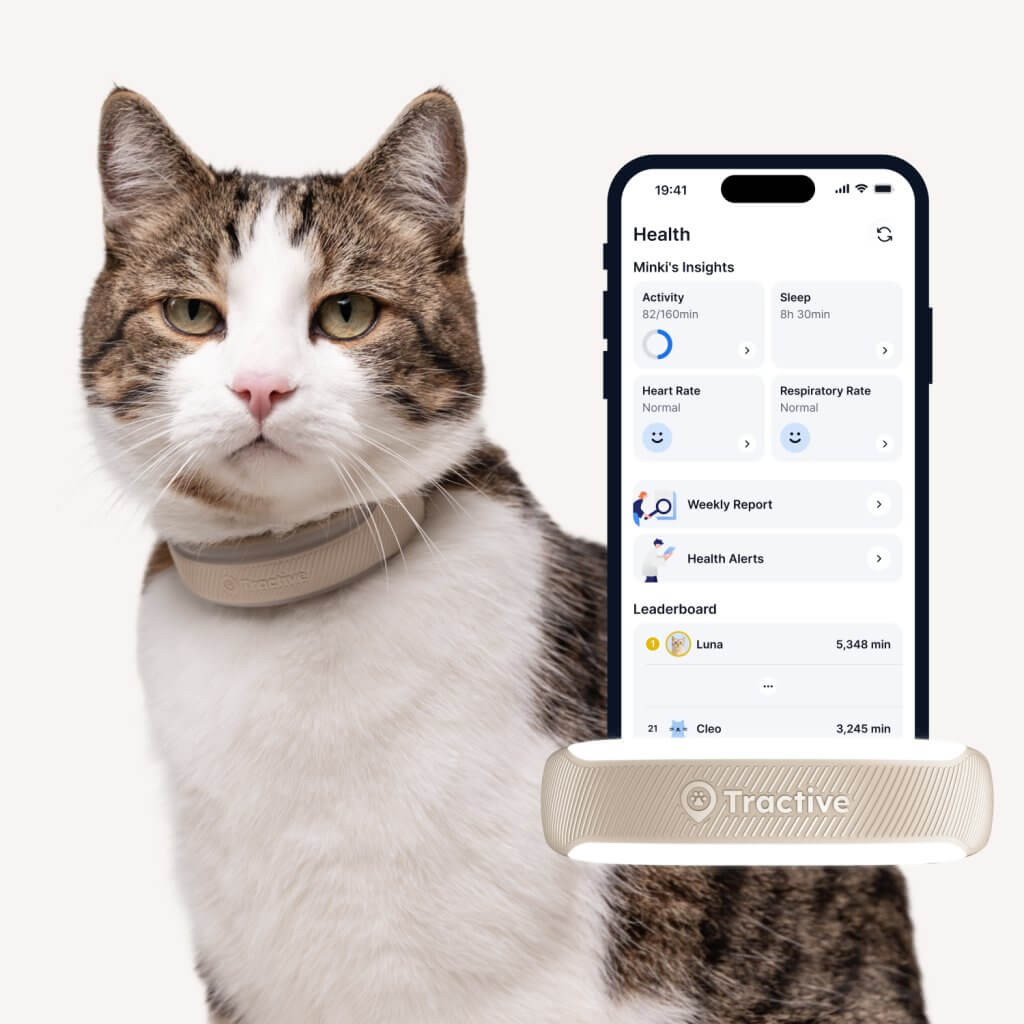
Get health alerts for your cat
Our cats can’t always tell us if something’s wrong. But if their tracker detects unusual changes in their routine, you’ll get an alert, helping you catch potential issues early.
When to see a vet
Keeping an eye on your cat’s heart rate is important, and sometimes a trip to the vet is the best next step. If you notice their heart rate is consistently too high or too low, or if there are other symptoms like difficulty breathing, changes in appetite, or lethargy, it’s time for a check-up. Early detection can make a huge difference in addressing potential health issues. Your vet is there to help ensure your furry friend is as healthy and happy as possible. Don’t hesitate to reach out if something feels off!
Conclusion
Keeping track of your cat’s heart rate is a vital part of ensuring their overall health and happiness. By understanding what’s normal and being attentive to changes, you can catch potential health issues early and provide the best care possible. Whether using a manual method or smart technology, staying informed is the best way to maintain your cat’s well-being. Remember, regular monitoring combined with consultation from your vet ensures you and your feline friend enjoy a long, healthy life together.
Your furry friend’s health and wellbeing means as much as to us as it does to you. So we’ve made it a priority to only share medically-relevant content on our blog. This post was checked, double-checked, and medically verified by Georgia-based vet, Dr. Dwight Alleyne.


Dr. Dwight Alleyne, DVM
Originally from Long Island, New York, Dr. Alleyne began his career at a no-kill animal shelter before becoming a licensed veterinary technician. He graduated from Cornell University Veterinary College in 2006 and completed an internship at Purdue University. Now practicing in Georgia, Dr. Alleyne specializes in soft tissue surgery and ultrasounds. He also writes pet health articles on his website, “The Animal Doctor Blog” (www.anmldrblog.com).