Can I Monitor a Pet’s Recovery After Spay/Neuter With a Tracker?
Spaying or neutering is a major event for your pet. Discover how a pet tracker can provide peace of mind by helping you monitor their activity and sleep during the crucial recovery period.
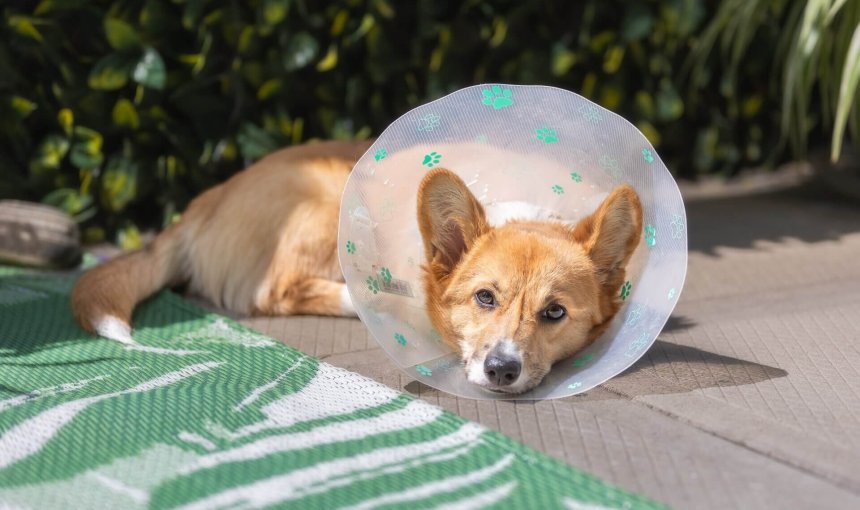
Spaying or neutering is a routine surgery for dogs and cats, but the recovery that follows is a crucial time for their health. As a pet parent, you want to do everything you can to ensure they heal comfortably and safely. While your veterinarian will provide specific aftercare instructions, technology like the Tractive Pet GPS Tracker can offer an extra layer of support and reassurance. In this post, discover how you can monitor your pet’s recovery and health after spaying or neutering with a smart pet tracker.
30 Second Summary
Yes, the right pet tracker can help you monitor your pet’s health and recovery after a spay or neuter procedure. Tractive for example monitors your pet’s location, activity, and sleep 24/7, so it can learn your pet’s baselines and send you an alert if something seems off – like if your pet sleeps more or less than usual. It can also provide insights into your pet’s breathing, heart rate, barking and scratching – all useful for making sure they’re feeling their best after a surgery. Most importantly, Tractive can help pet parents catch health issues early, so you can get your pet the treatment they need sooner rather than later.

Track your cat’s whereabouts, monitor their health
Shop Cat TrackersWhat to expect after a spay or neuter surgery
After the procedure, your pet will likely feel groggy, and maybe a little disoriented or nauseous for the first 24 hours1. It’s important to provide them with a quiet and safe indoor space to rest. The full recovery period typically lasts between 10 to 14 days, during which you’ll need to limit their activity and supervise them closely.
During this time, your main responsibilities are to make sure your pet is resting, their incision site is clean and dry, and they are not licking or scratching at their stitches.
How a Tractive pet tracker can help monitor recovery
A GPS tracker with wellness monitoring is more than just a tool for finding a lost pet. It can provide valuable insights into your pet’s well-being, which is especially useful during their post-surgery recovery. Here’s how the Tractive Dog Tracker and Tractive Cat Tracker helps you keep a close eye on your furry friend.
Keep tabs on their activity
The most important instruction from your vet is to keep your pet from running and jumping. A tracker’s activity monitor helps you see if your buddy is getting too active. Just as importantly, it can also show you if they are unusually lethargic, which could be a sign of pain or discomfort. A sudden change in their normal activity patterns can be an early indicator that you should check in with your vet.
Know how well they’re sleeping
Pain and discomfort can easily disrupt sleep. By monitoring your pet’s sleep quality and duration, you can spot restlessness or other irregularities. If you notice your pet isn’t sleeping well, it might be a sign that their pain medication needs adjustment or that something else is bothering them.
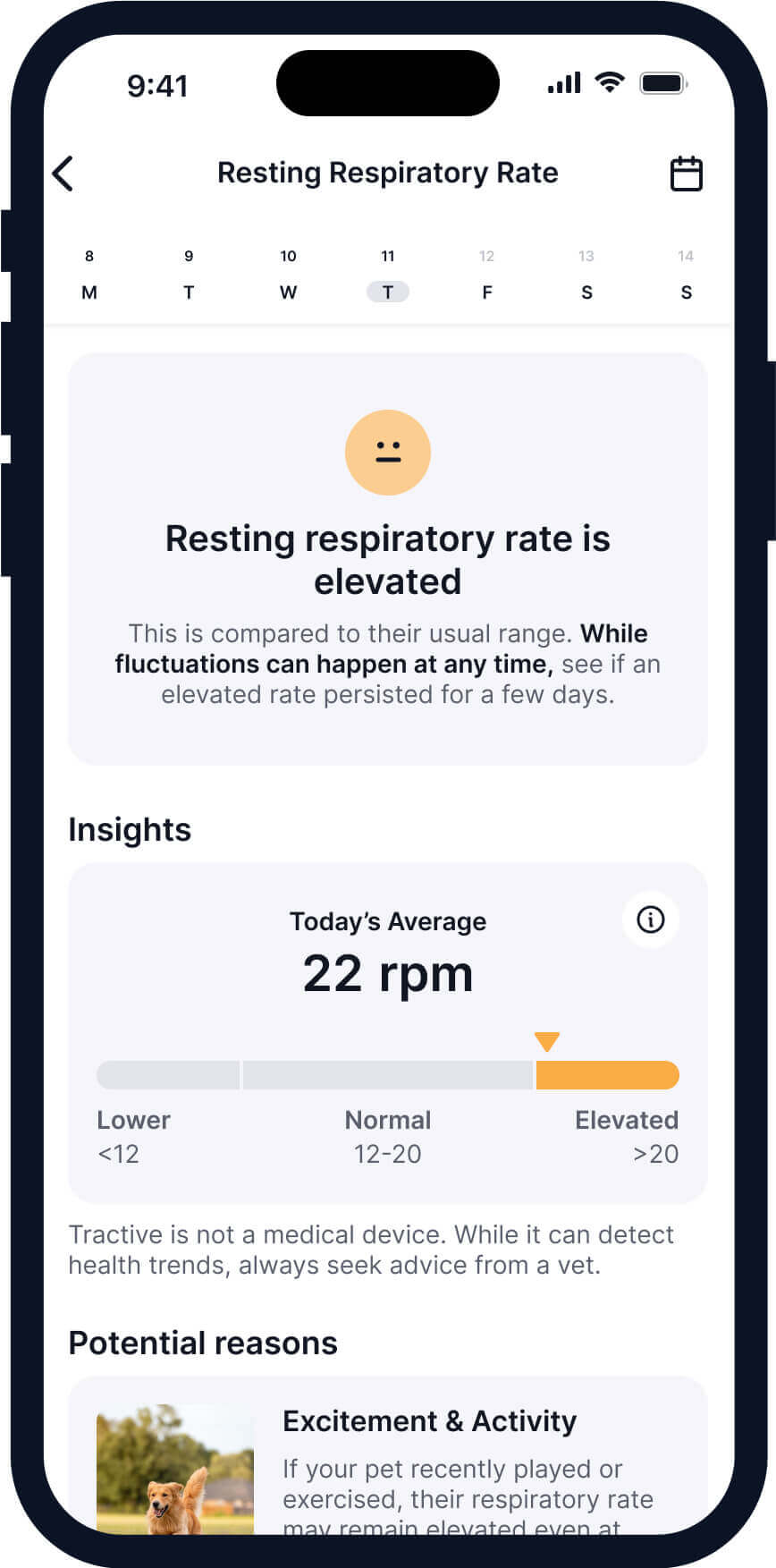
Monitor heart rate and respiratory rate
An elevated heart rate or respiratory rate can be an early sign of pain, discomfort, or breathing difficulties. While your pet is resting or sleeping, their tracker can detect changes in these vital signs. A normal respiratory rate for a dog or cat at rest is typically under 40 breaths per minute2. If you see a consistent increase, it’s a good signal to contact your veterinarian.
Get notified with Health Alerts
Instead of constantly checking stats, you can set up Health Alerts. The Tractive GPS app can notify you if it detects unusual changes in your pet’s activity or sleep patterns. These proactive alerts mean you can rest easier, knowing you’ll be informed if something out of the ordinary is detected.
See if they’re scratching too much
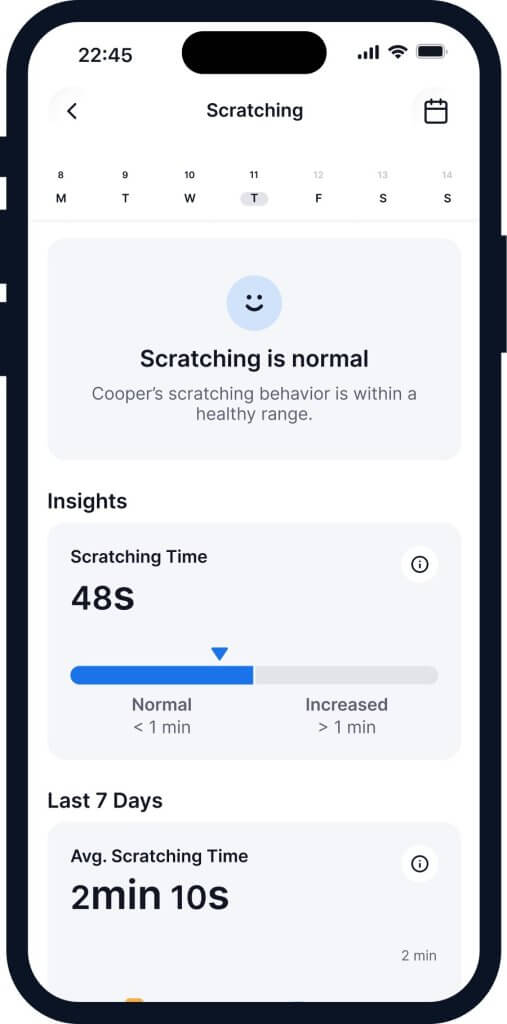
While some scratching is normal, excessive scratching near the incision site can lead to irritation or infection. Scratch monitoring lets you see if your pet is bothering their stitches more than they should be, even when you’re not in the room. This can be a cue to check the e-collar or consider a recovery suit.
Understand what their barks might mean
Is your pet barking more than usual? While some vocalization can be expected after surgery, excessive barking or whining could be their way of telling you they are in pain. Bark monitoring provides a log of when and how much they are vocalizing, giving you another piece of the puzzle to understand how they are truly feeling.
Keep them safe with GPS & Escape Alerts
To prevent your pet from strenuous activity, it’s best to keep them in a confined, safe area. A tracker’s Virtual Fence feature allows you to set up a safe zone, like your house and yard. If your pet happens to slip out the door, you’ll receive an escape alert immediately and can use LIVE Tracking to bring them back home safely and quickly.
Review their progress with reports and summaries
Tractive also provides you with weekly reports and even AI-powered summaries of your pet’s well-being. This allows you to see their recovery progress over time. You can see how their activity and sleep patterns gradually return to normal, giving you data-driven reassurance that they are on the right track to a full recovery.
Key signs of complications to watch for
While most pets recover without any issues, it’s important to monitor the incision site and their overall behavior. Dr. Samantha O’Gorman, a Fear Free-certified veterinarian, recommends taking a daily photo of the incision to help you spot subtle changes3.
Contact your veterinarian if you notice any of the following signs:
- Redness, swelling, or discharge from the incision site.
- The incision appears open.
- Bleeding (a small amount of blood in a female’s urine may be seen in the first 24 hours4).
- Lethargy or weakness after the first day.
- Loss of appetite or refusal to drink water.
- Signs of significant pain, like whining or hiding.
Tips for a smooth recovery
Following your veterinarian’s post-operative instructions is the most critical part of ensuring a smooth recovery. Here are some general tips to help your furry friend heal:
- Use an e-collar or recovery suit: Prevent your pet from licking or biting their incision by using a cone or a post-surgical suit.
- Restrict activity: No running, jumping, or rough play for at least 10-14 days.
- Keep the incision dry: Do not bathe your pet or allow them to swim until the stitches are removed and the incision is fully healed.
- Provide a comfortable space: Set up a cozy, quiet resting spot indoors where they can recover peacefully.
- Follow medication instructions: Administer any prescribed pain medication exactly as your vet instructs.
A pet tracker is an excellent tool for providing extra peace of mind while your pet recovers from spay or neuter surgery. By keeping a close eye on their activity and sleep, you can ensure they are getting the rest they need and can quickly spot any potential problems. However, always remember that a tracker is a supportive tool and not a replacement for professional veterinary advice.
Keep your pets healthy & safe
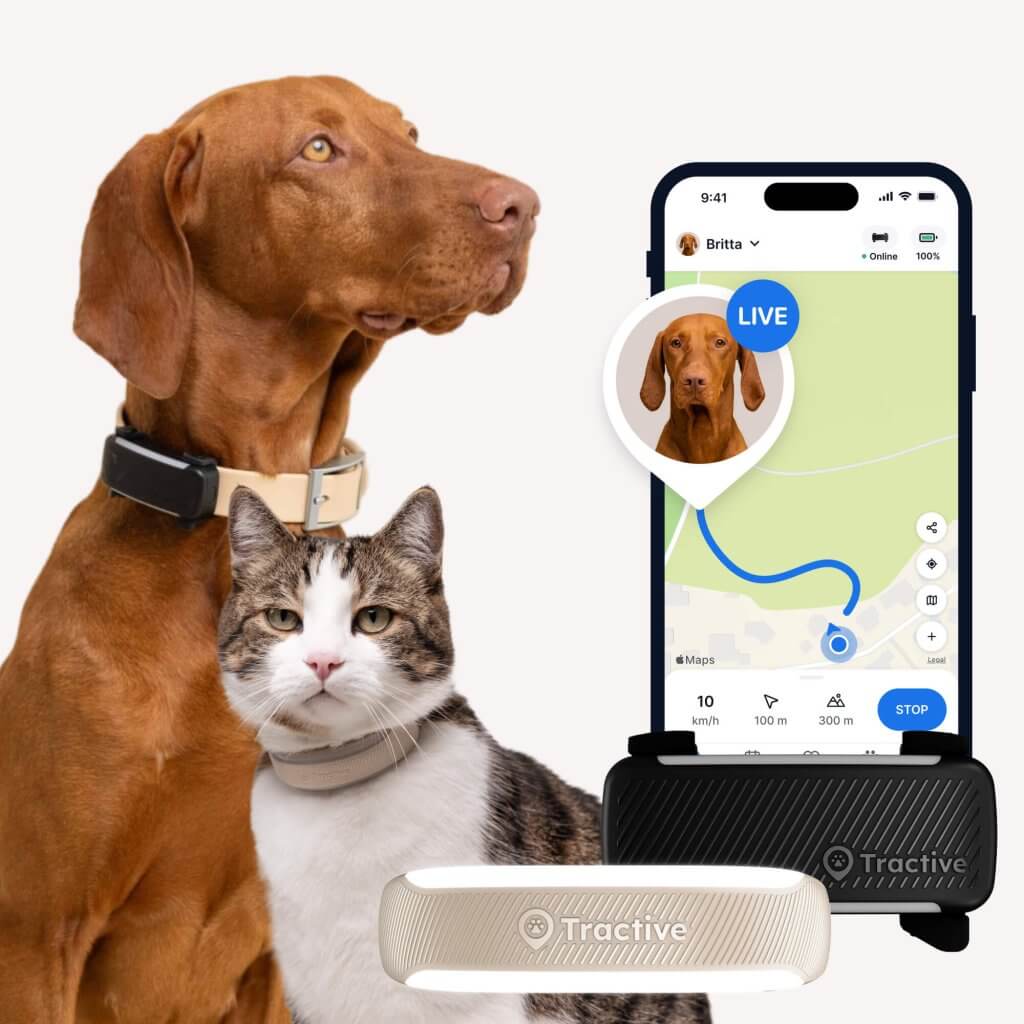
Get real-time location information, wherever they go. See how much – or how little – activity they’re getting. And get Health Alerts if something might be wrong.