Top 10 Most Healthy Dog Breeds
Discover the top 10 healthiest dog breeds and learn simple ways to help your best friend live a longer, happier life.
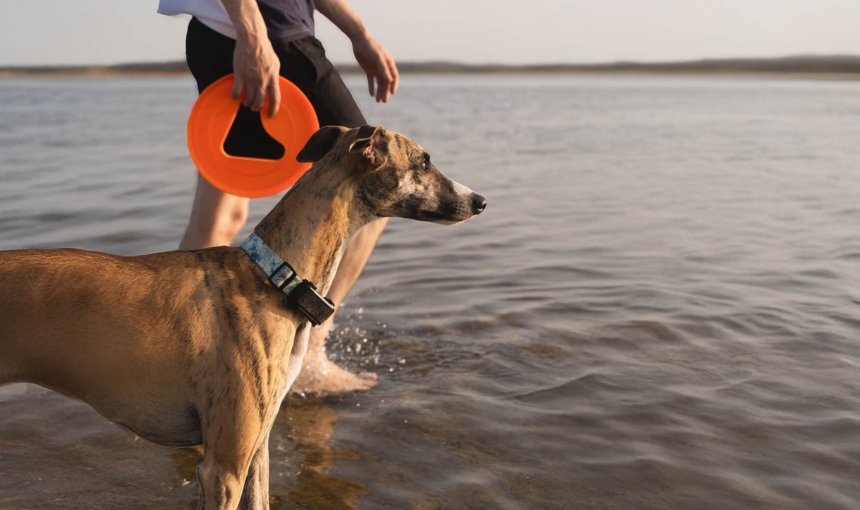
Every dog parent wants one thing: more happy years with their furry best friend. At Tractive, we love seeing dogs live their best lives—running, playing, and exploring. But did you know some breeds are naturally like little superheroes when it comes to staying healthy?
These “Healthy Heroes” often have fewer trips to the vet and live very long lives. Let’s meet the top 10 winners! Plus, learn how a Tractive Dog GPS Tracker can help you keep your dog healthier, longer.

Track your dog in real-time, monitor their health
Shop Dog Trackers10 Healthiest Dog Breeds
| Dog Breed | Avg. Lifespan | Why They’re So Healthy | Activity Level |
|---|---|---|---|
| Australian Cattle Dog | 12–16 years | Very high genetic diversity and hardy bodies. | Very High |
| Greyhound | 10–14 years | Efficient, powerful hearts and athletic builds. | Moderate |
| Whippet | 12–15 years | Naturally lean with very few hereditary diseases. | Moderate / High |
| Poodle | 12–15 years | Intelligent, active, and very sturdy genes. | High |
| Basenji | 13–16 years | An ancient breed that evolved naturally in the wild. | High |
| Jack Russell Terrier | 13–16 years | Small, rugged athletes with tons of stamina. | Very High |
| Cairn Terrier | 12–15 years | Rugged and tough (just like Toto from Oz!). | High |
| Border Terrier | 12–15 years | Balanced body shape with a very tough constitution. | High |
| Australian Silky Terrier | 12–15 years | Small but “spunky” with very strong vitality. | Moderate |
| Schipperke | 13–15+ years | Built like a “little tank” with a very robust system. | High |
1. Australian Cattle Dog
These dogs were bred to herd cows in the hot Australian outback. Because they had to work so hard in the sun, they grew very tough! One Cattle Dog named Bluey even lived to be 29 years old.

2. Greyhound
Greyhounds are the fastest dogs in the world! Because they are built like Olympic runners, they have very efficient hearts and lungs. As long as they have a soft couch to sleep on, they stay very healthy.
3. Whippet
Think of a Whippet as a smaller Greyhound. They are naturally thin, which is great for their joints. They don’t carry extra weight, which helps them stay active well into their senior years.
4. Miniature Poodle
Poodles are famous for being smart, but they are also very hardy. The “Miniature” version is especially healthy because they are the perfect size—not too big and not too tiny.
5. Basenji
The Basenji is one of the oldest dog breeds in the world. Because they evolved in the wild for thousands of years, nature did the “breeding” for us. This means they have very few genetic “boo-boos.”

6. Jack Russell Terrier
These little guys have enough energy to power a lightbulb! They were bred to hunt, so they are incredibly agile and strong. Their active lifestyle keeps their hearts in tip-top shape.
7. Cairn Terrier
Cairn Terriers come from Scotland, where they had to run over cold, rocky hills. This made them very sturdy and resistant to many common dog illnesses.
8. Border Terrier
The Border Terrier is a “no-nonsense” dog. They have a weatherproof coat and a very balanced body shape. Having a “natural” shape—not too flat-faced or too short-legged—is a huge health win!
9. Australian Silky Terrier
Don’t let the “Silky” hair fool you! These dogs are true Aussies—tough and full of spirit. They are related to the Australian Terrier, another very healthy breed.
10. Schipperke
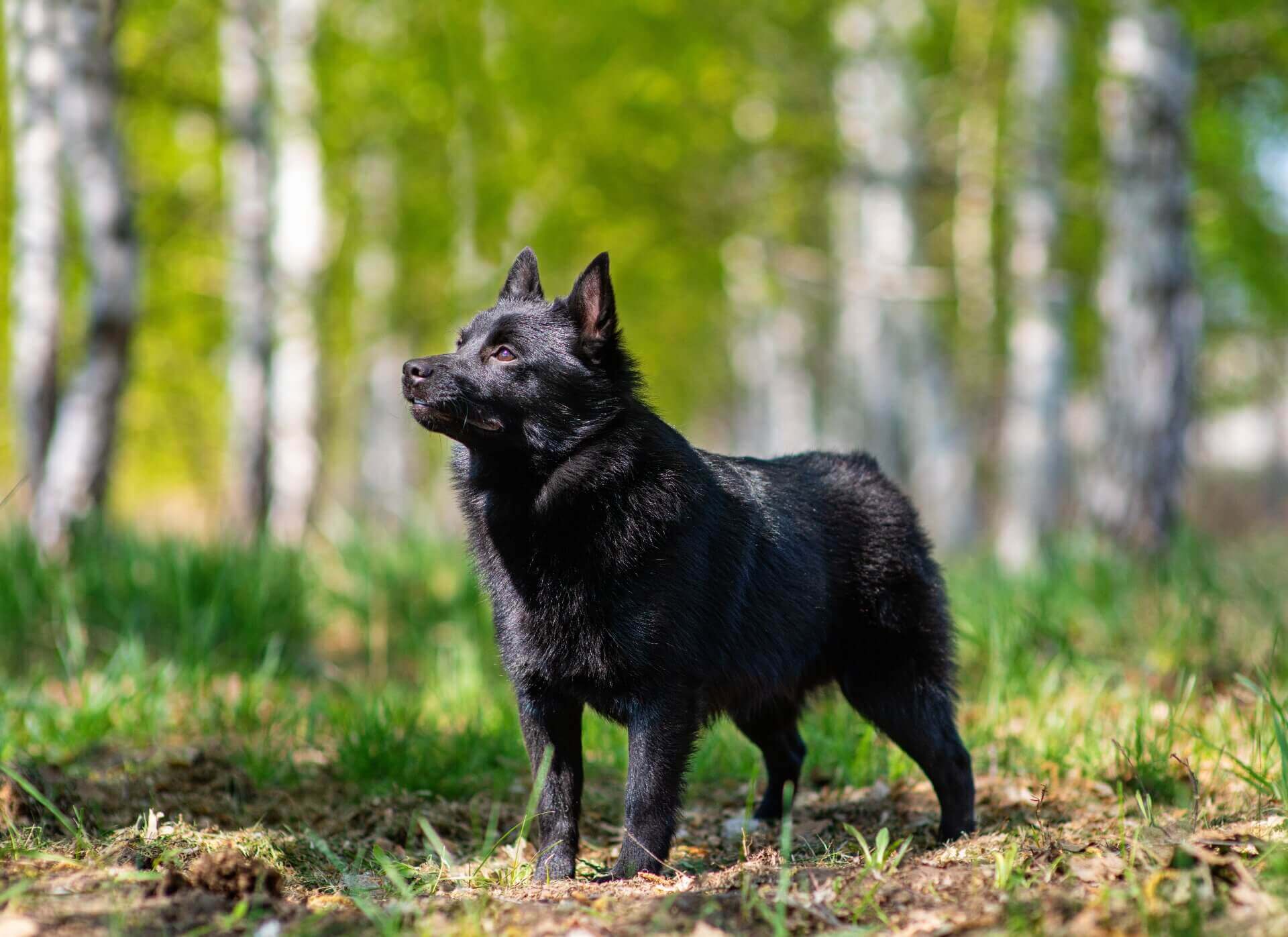
In their home country of Belgium, these dogs were used as “little captains” on canal boats. They are famous for being “indestructible” because they have so few hereditary health problems.
How we chose these healthy superstars
You might be wondering, “How did these 10 pups make the list?” At Tractive, we looked for breeds that have a long typical lifespan and a natural body shape (nothing too flat or too short!). We also picked dogs that have great “genetic variety,” which is a fancy way of saying they aren’t prone to the same health “boo-boos” that some other breeds are. These dogs are built for activity, exploration, and lots of years by your side!
What makes a dog breed “healthy”?
To answer that, we have to look past those adorable puppy dog eyes and see what’s happening under the hood! At Tractive, we believe a “healthy” breed is one that is built for adventure and ready to keep up with your active lifestyle for years to come.
Here is the “secret recipe” that makes a dog breed naturally healthy:
1. A high “genetic variety”
Think of genes like a toolbox. If a dog breed has a very small toolbox (which happens with “over-breeding”), they might only have one or two tools to stay healthy. Healthy breeds have a wide genetic variety. This means they are less likely to have genetic predispositions—which is just a fancy way of saying “inherited boo-boos”—like bad hips or heart trouble.
2. A long typical lifespan
While we wish every dog could live forever, “healthy” breeds usually have a typical lifespan of 12 to 16 years (or even more for some small pups!). A long life is a great sign that a breed’s body stays strong and doesn’t age too quickly at a cellular level.
3. A “natural” body shape
Nature is a pretty great architect! Healthy breeds usually have what we call a functional shape. This means:
- A good-sized nose: So they can breathe easily while running.
- Proportionate legs: Their legs aren’t too short or too long for their backs, which keeps their spine and joints happy.
- Balanced weight: They aren’t naturally prone to carrying extra “fluff,” which is great for their heart!
4. High energy and resilience
A healthy breed is usually a “high-stamina” breed. These are dogs that recover quickly after a long hike and are always wagging their tails for the next walk. When you track their active minutes on your Tractive GPS, you’ll see they stay consistent and bouncy day after day!
5. Low “maintenance” health
Healthy breeds don’t just live a long time; they have a high quality of life. This means they spend less time at the vet for chronic issues (like itchy skin or tummy troubles) and more time out in the world exploring with you.
Are mixed breeds healthier than pure breeds?
When it comes to the “purebred vs. mixed breed” debate, the answer is all about the “genetic toolbox.” Mixed breeds often have a health advantage called hybrid vigor—because their parents come from different backgrounds, they are less likely to inherit the same “hidden” health problems, which can help them live longer than the average purebred1.
However, purebreds offer predictability; when you choose a healthy breed like a Basenji or a Greyhound, you know exactly how big they’ll get and which specific health screenings to check for.
How to keep your dog healthier, longer
Genetics are a great head start, but your daily routine is what really helps your dog cross the finish line! Here is a breakdown of the essentials to keep your pup’s tail wagging for years to come.
1. Proper nutrition
What goes into the bowl affects everything from coat shine to energy levels.
- Quality over Quantity: Look for foods where a whole protein (like chicken or beef) is the first ingredient. Avoid “fillers” like excessive corn or mystery meat byproducts.
- Portion Control: Use a measuring cup—not your heart—to decide how much to feed. Obesity is one of the leading causes of shortened lifespans in dogs. It’s a common question for dog owners to ask how to help my dog lose weight? We have the answers for you in the linked article above.
- Fresh Water: Ensure they have access to clean, filtered water at all times to support kidney health.
2. Physical & mental enrichment
A tired dog is often a healthy (and well-behaved) dog!
- Daily Aerobics: Most dogs need at least 30–60 minutes of active exercise daily. While a Greyhound needs a sprint, a smaller breed might just need a brisk stroll.
- Brain Games: Use puzzle feeders or scent work. Mental exhaustion can be just as beneficial as a long run!
- Socialization: Regular interaction with other dogs or humans keeps their stress levels low.
Read More: How Much Exercise Do Dogs Need?
3. Preventative medical care
Don’t wait for a limp or a cough to visit the vet.
- Annual Checkups: These are vital for catching underlying issues like heart murmurs or early-stage arthritis.
- Parasite Prevention: Keep up with monthly flea, tick, and heartworm preventatives. One mosquito bite is all it takes for heartworm!
- Dental Hygiene: Plaque buildup can lead to infections that affect the heart. Brush their teeth regularly or provide dental chews.
4. Grooming & body checks
Grooming isn’t just about looking good; it’s a health check! While brushing, feel for new lumps, bumps, or “hot spots.” Also, keep an eye on their nails—if they click on the floor, they’re too long and can cause joint pain.
How Tractive helps keep your buddy safe and healthy
Technology is a dog’s best friend! At Tractive, we believe that “knowing” is better than “guessing.” Here is how the Tractive Dog Tracker helps you stay one step ahead:
- Activity Monitoring: We help you set daily goals tailored to your dog’s breed and age. You’ll know exactly if they’ve had enough exercise to keep their heart strong.
- Health Alerts: Because dogs are experts at hiding pain, Tractive monitors their Sleep and Activity patterns. If something changes suddenly, we’ll send you an alert so you can catch potential issues early.
- Live GPS Tracking: Staying healthy means staying safe. Whether your dog is a champion escape artist or you’re exploring a new trail, our LIVE Tracking ensures you always know where your best friend is.
- Calorie Counting: Want to make sure those treats aren’t adding up? Our app helps you track how many calories your pup burns, making weight management a breeze.
The bottom line
Whether you share your home with a hardy Australian Cattle Dog or a one-of-a-kind mixed breed, your love and care are the real secrets to a long life. By focusing on good food, plenty of play, and staying proactive with Tractive, you’re giving your pup the best gift of all: more time together.