How A Dog Health Tracker Can Help You Spot Illness Early
When subtle changes aren’t visible, data can speak. Discover how one service dog parent used health tracking to catch an infection early and how dog health trackers help spot problems before they worsen.

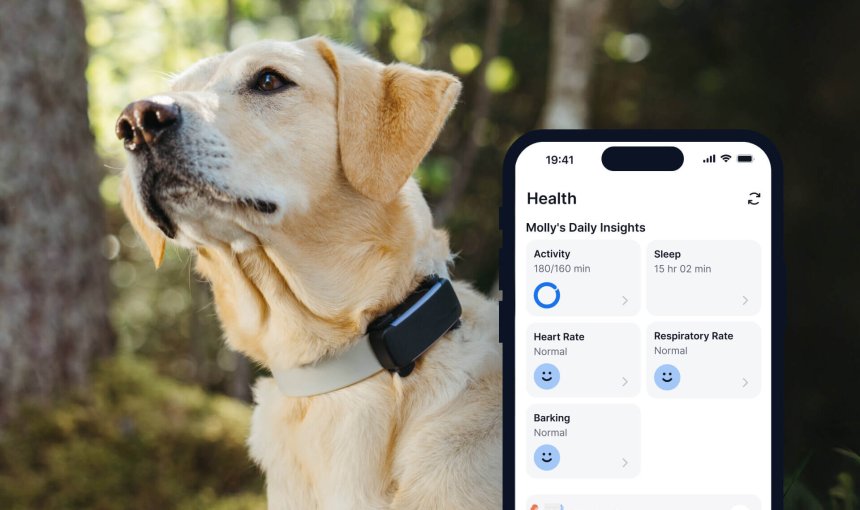
Did you know? Beyond tracking your dog’s whereabouts, the right dog tracker can actually help detect signs of illness early in your four-legged friend. That’s what makes devices like the Tractive Dog Health Tracker so valuable for pet parents.
Take Cissy, for example, a dog mama and Tractive user from the Netherlands. With the help of Tractive, she caught an ear infection in her dog Evi before any obvious symptoms appeared.
In this post, we’ll break down exactly how dog health trackers like Tractive work and how they can help detect illness early, so you can keep your buddy healthier for longer.

Track your dog in real-time, monitor their health
Shop Dog Trackers- Meet Evi, Cissy’s PTSD service dog
- What is a dog health tracker?
- What does a dog health tracker like Tractive measure?
- Health alerts: spotting potential issues early
- Understanding your dog’s health insights
- What could cause abnormal activity?
- Why early detection matters
- Sharing your dog’s data with your vet
- Final thoughts
- Further reading
Meet Evi, Cissy’s PTSD service dog

This is Evi, a PTSD-trained service dog who supports her caretaker, Cissy, in everyday life. Though in many ways, they support each other.
Cissy decided to invest in Tractive Dog Trackers for her two service dogs because, as she puts it:
“They can only keep me healthy, happy, and supported if they’re feeling their best too. That’s why I keep track of their activity, rest, and health every single day.”
After using the tracker for about three and a half weeks, Cissy began to trust the data, and she’s glad she did.
“Thank goodness I trusted it, because it showed me something I would have completely missed with my eyes alone.”
One day, Evi’s sleep quality dropped sharply — from around 90% to just 60%. At the same time, her daily activity decreased by nearly 50 minutes.
“If you’d looked at her, you would have thought she was her usual happy, healthy self. But the data told a different story, and I decided to trust it.”
Cissy brought Evi to the vet, along with the health insights from Tractive. The vet took the data seriously, and after an examination, discovered the early stages of an ear infection.
“We caught it early, before it got worse, all because Tractive let me see what Evi couldn’t tell me herself.”
In Cissy and Evi’s case, the issue wasn’t severe, and it was caught just in time. But their story highlights the power of continuous health monitoring, especially in cases where more serious health issues could be developing quietly.
So, what is a dog health tracker, and how does it work?
What is a dog health tracker?
A dog health tracker is a wearable device that attaches to your dog’s collar (or harness) and continuously monitors key aspects of their daily behaviour and physical well-being.
Unlike traditional vet check-ups, which provide only a snapshot in time, a health tracker collects data 24/7. In the long run, it helps you understand what’s normal for your dog, making it easier to spot meaningful changes early and stay on top of their health.
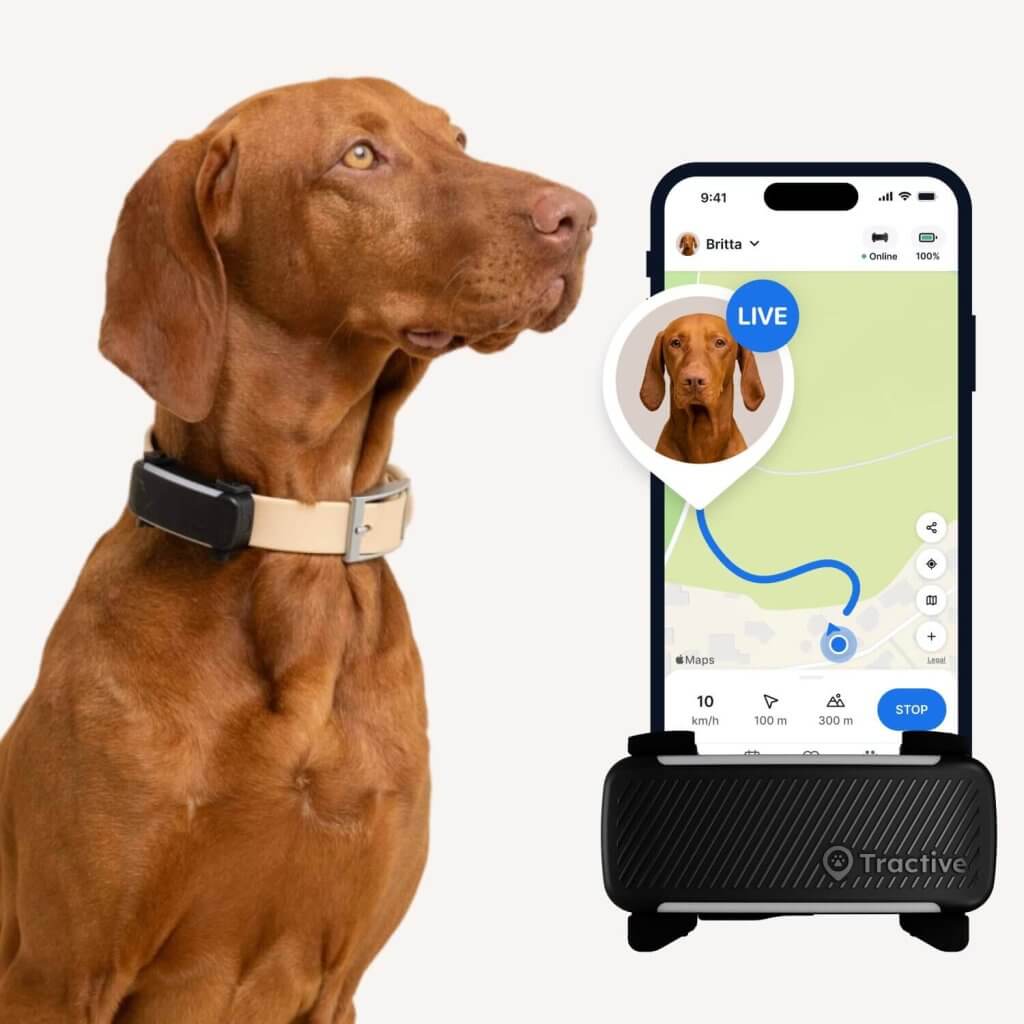
Keep track of your dog’s daily adventures
Follow every step with unlimited range Live Tracking. Get alerts if they wander too far. Keep them happy & healthy with Activity & Sleep Monitoring. Get Health Alerts if something seems off.
What does a dog health tracker like Tractive measure?
There are several dog health trackers on the market, each offering different features. Tractive, the world leader in GPS tracking and health monitoring for dogs, tracks the following metrics:
- Daily activity levels: How much your dog moves, walks, and plays — this helps you ensure they’re getting enough exercise and spot unusual drops or spikes in activity.
- Sleep patterns: How long and how well your dog rests — useful for identifying restlessness, discomfort, or sleep disruptions.
- Resting heart rate: Your dog’s heart rate while at rest, measured in beats per minute. Changes can sometimes signal issues such as infection, fever, or heart disease.
- Resting respiratory rate: How many breaths your dog takes per minute while resting — which can help flag respiratory issues, stress, or other health concerns.
- Barking patterns: Whether your dog is barking more or less than usual, which may indicate stress, anxiety, or environmental changes.
Here’s what that looks like at a glance in the Tractive app:
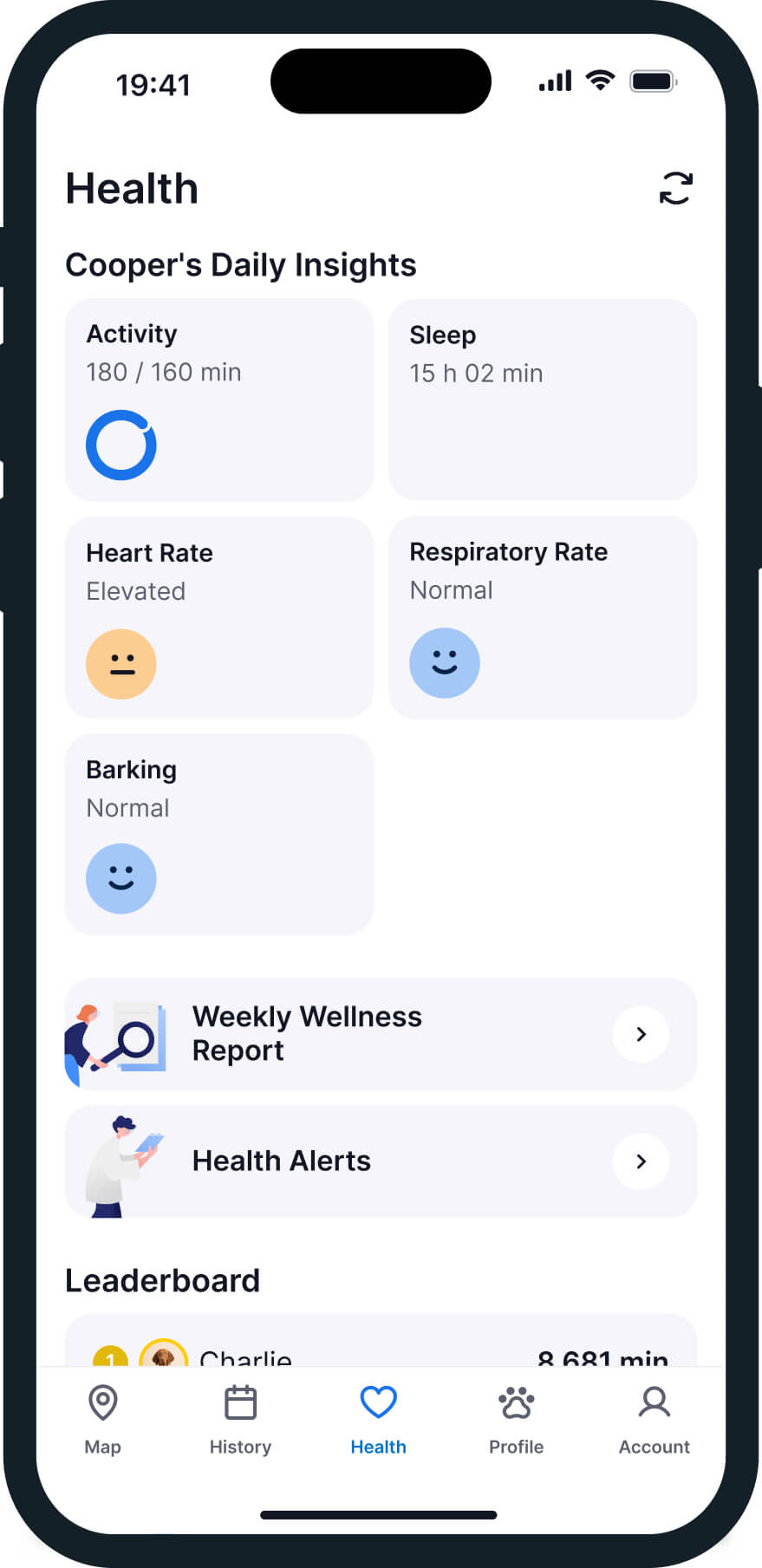
By tracking these metrics over time, the device learns your dog’s unique baseline, making it easier to identify when something might be off.
Health alerts: spotting potential issues early
Most importantly, a good dog health tracker goes beyond collecting data and actually helps you interpret it.
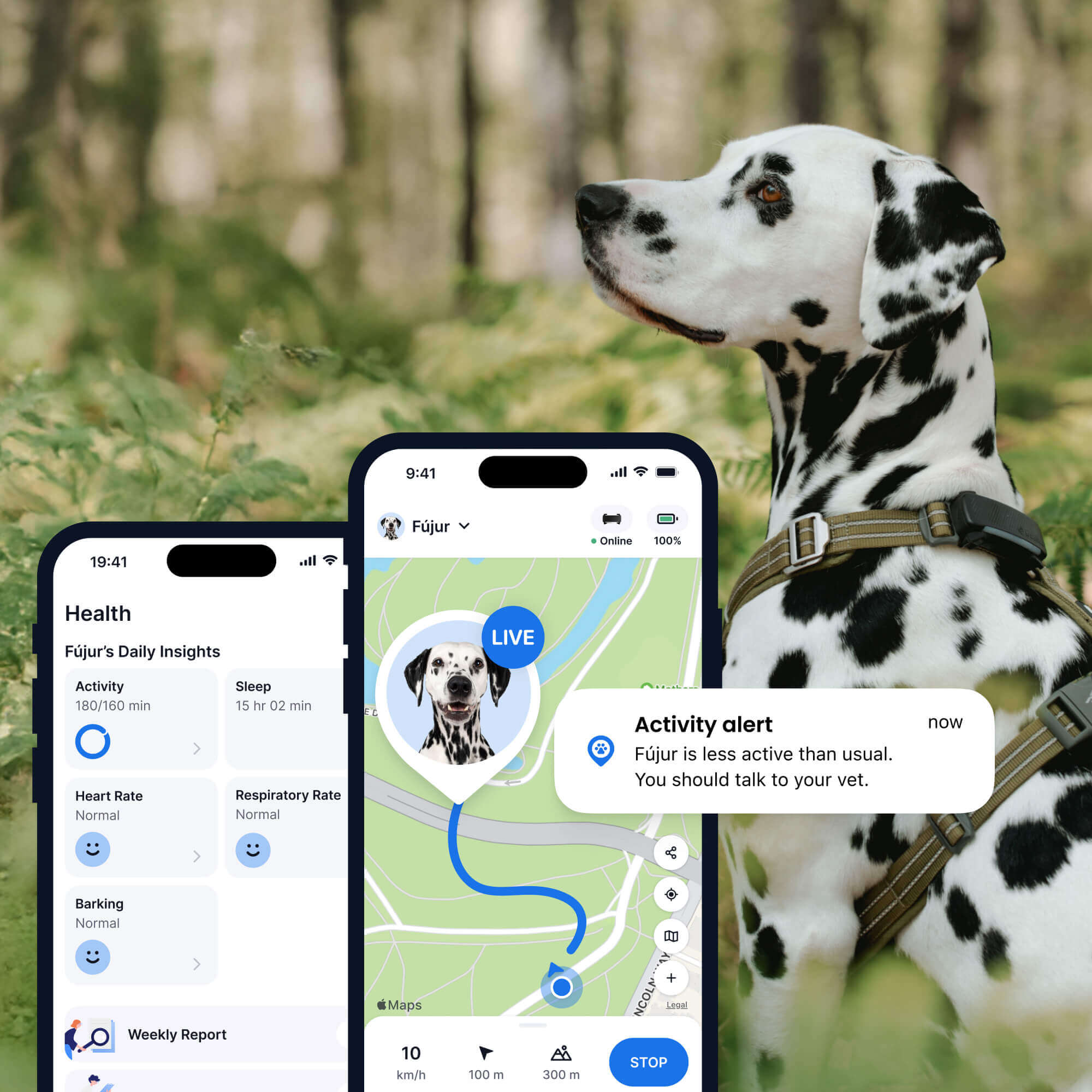
That’s where Tractive’s Health Alerts come in. If your dog’s activity, sleep, heart rate, or breathing start to deviate from their usual patterns, you’ll receive a notification letting you know something may need attention.
It’s important to note that a dog health tracker does not diagnose illness. Instead, it acts as an early-warning system, helping you notice subtle changes you might otherwise miss and decide when it’s time to check in with your vet.
Understanding your dog’s health insights
Every dog is different. Activity levels, sleep needs, and vital signs vary depending on age, breed, and personality. Still, certain patterns can signal when something isn’t quite right.
For example, a dog that suddenly becomes more sluggish than usual may be experiencing discomfort or illness. On the other hand, unusual restlessness or hyperactivity can also indicate stress or health issues.
These behavioural changes are sometimes early warning signs of conditions like joint pain, heart issues, infections, or digestive problems. A dog health tracker helps surface these changes early, while there’s still time to act.
What could cause abnormal activity?
Not every change in activity is a cause for concern. Hot weather, a disrupted routine, or a lazy day can all affect how much your dog moves.
However, persistent or unexplained changes may be linked to underlying health issues, such as:
- Joint pain or arthritis: Dogs with joint problems may move less because walking or jumping is uncomfortable, especially as they age.
- Heart or respiratory issues: Unusual fatigue or excessive panting can sometimes point to heart or lung problems.
- Digestive issues: Stomach discomfort can reduce energy levels and increase rest time, sometimes alongside appetite changes.
- Infections or illness: Even mild infections can lead to lethargy, increased sleep, or changes in breathing.
- Stress or anxiety: Anxious dogs may become restless and unsettled or, conversely, unusually withdrawn and quiet.
Why early detection matters
Dogs are remarkably good at hiding discomfort. They may limp just slightly, rest a bit more, or seem “off”, without showing clear signs that something’s wrong.
Yet many health issues — from infections to heart problems to joint pain — first appear as subtle changes in activity, sleep, or breathing.
The earlier you notice these changes, the sooner you can get your dog the care they need. Early detection often leads to:
- better treatment outcomes
- less discomfort and stress for your dog
- fewer costly emergency vet visits
By monitoring your dog daily, you notice small shifts early rather than waiting for a major symptom that might come too late.
Sharing your dog’s data with your vet
One of the biggest advantages of modern pet health wearables is the ability to share real data with your vet.
Instead of relying solely on memory, you can show:
- how long a change has been happening
- which metrics were affected
- how trends line up with physical symptoms
This gives your vet a clearer picture and can lead to faster, more informed decisions and better outcomes for your dog.
Final thoughts
Your dog’s health is one of the most important things you can protect.
With a tracker that monitors activity, sleep, heart rate, and breathing, you’re better equipped to notice subtle changes early, often before they’re visible to the eye.
And early detection can mean earlier care, faster recovery, and more happy years together. Whether you have a service dog, a playful pup, or a senior companion, tools like Tractive offer insight, awareness, confidence — and peace of mind.
As Cissy put it when sharing her story:
“For us, Tractive isn’t just a GPS tracker. It’s a lifeline.”
Further reading
- How Tractive Helped This Dog Parent Catch An Illness Early
- 8 Pet Parents Who Keep Their Cats Healthy With Tractive
- How Tractive Helped These 8 Dogs Get Healthier
- Is the Tractive GPS Tracker the Best Option for Keeping Your Dog Safe?
Tractive is not a medical device. While Tractive monitors trends and patterns in your pet’s well-being, it is not intended to diagnose health conditions. We recommend always seeking medical advice from a vet.