 Approved by Dr. Dwight Alleyne, DVM
Dog Scratching: Why Dogs Scratch, When It’s Normal & When to Worry
It's normal for healthy dogs to experience itching sometimes. But if this behavior becomes repetitive or excessive, that's a sign that something may not be right. Find out how to handle itching in dogs in this post.

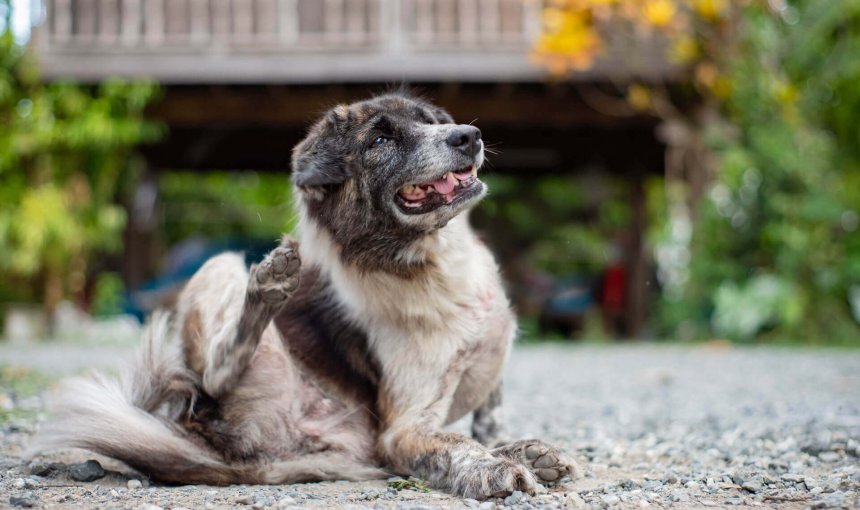
Dog scratching is completely normal — to a point. Just like humans scratch an itch now and then, dogs may scratch occasionally without anything being wrong. But if your dog is scratching constantly, licking, biting, or rubbing their body against furniture, it could be a sign of an underlying problem.
So how can you tell the difference between normal dog scratching and something more serious? And what causes excessive scratching in dogs in the first place?
In this guide, we’ll explain why dogs scratch, when it’s normal, when it could signal a health issue, and how you can monitor changes in your dog’s scratching behavior — including with Tractive.

Always know your buddy is healthy & safe
Read more- Why do dogs scratch?
- Is dog scratching normal?
- Signs your dog’s scratching could be a problem
- Common causes of dog scratching
- Are some dog breeds more prone to itching and scratching?
- How to monitor your dog’s scratching behavior
- What to do if your dog is scratching a lot
- When to see the vet about dog scratching
- Conclusion: Why is my dog scratching?
Why do dogs scratch?
Dogs scratch when their skin feels irritated, itchy, or uncomfortable. This sensation is known medically as pruritus1, and it can range from mild and occasional to severe and constant.
Scratching is your dog’s natural way of relieving discomfort. Sometimes it’s harmless. Other times, it’s your dog’s way of telling you that something isn’t right.
Is dog scratching normal?
Yes — occasional scratching is completely normal for healthy dogs.
Your dog might scratch:
- After rolling in the grass
- During shedding season
- When a collar or harness rubs
- After getting wet or dirty
- Due to mild dryness or temporary irritation
This kind of scratching usually:
- Happens infrequently
- Stops quickly
- Isn’t focused on one specific area
- Doesn’t cause hair loss or skin damage
When dog scratching is not normal
Dog scratching becomes a concern when it is:
- Frequent or constant
- Focused on the same area
- Accompanied by licking, biting, or chewing
- Causing red skin, sores, scabs, or hair loss
- Paired with behavior changes (restlessness, irritability)
If your dog seems unable to stop scratching, it’s time to look deeper.

Signs your dog’s scratching could be a problem
Scratching isn’t the only sign of itchiness in dogs. You may also notice your dog:
- Licking one spot obsessively
- Biting or chewing their skin or paws
- Rubbing against walls, carpets, or furniture
- Shaking their head repeatedly (often linked to ear issues)
- Scooting their rear along the floor
- Developing red, inflamed, flaky, or thickened skin
You can assess your dog’s level of itchiness with the Pruritus Visual Analog Scale for dogs.
Common causes of dog scratching
There are many possible reasons why dogs scratch excessively. Some of the most common include:
1. Allergies (the most common cause)
Allergic dermatitis is one of the leading reasons for dog scratching2. Dogs can be allergic to:
- Fleas (even a single bite can cause intense itching)
- Pollen, mold, dust mites, or grasses
- Mold spores or dust mites
- Food ingredients like beef, chicken, dairy, eggs, soy, or wheat
- Shampoos, cleaning products, plants, or chemicals
2. Fleas, ticks, and mites
Parasites are a very common cause of sudden, intense scratching. Fleas in particular often cause itching around the tail base, belly, and thighs.
3. Skin infections
Bacterial or fungal infections (like yeast) can develop when the skin barrier is damaged — sometimes because of scratching itself.
4. Dry skin
Cold weather, low humidity, dehydration, or frequent bathing can dry out your dog’s skin and lead to itching.
5. Hormonal or medical conditions
Issues like hypothyroidism or immune disorders can affect skin health and cause chronic scratching.
Are some dog breeds more prone to itching and scratching?
Yes. While any dog can develop itchy skin, some breeds are more prone to skin problems, including:
- Retrievers
- Poodles
- Cocker Spaniels
- West Highland White Terriers3
Older dogs are also more prone to skin and nail problems.
How to monitor your dog’s scratching behavior
Because scratching can increase gradually, it’s not always easy to notice when “normal” becomes “too much.” That’s why monitoring changes in your dog’s behavior over time is so important.
Monitoring scratching with Tractive
With Tractive, you can already track your dog’s activity, sleep, and rest patterns — which often change when a dog is uncomfortable or itchy. But did you know that you can now also monitor your dog’s scratching with Tractive?
The Tractive Dog Tracker now tracks your dog’s scratching for you, automatically, in the background. Tractive’s scratching is based on thousands of hours of dog movement data. Over time, we’ve learned what a healthy, everyday amount of scratching looks like for dogs, and we compare your dog’s data against that typical level.
The new dog scratching monitoring feature is designed to help you:
- Detect increases in scratching behavior
- Spot unusual patterns early
- Share objective data with your vet
- Act before symptoms become severe
Early detection can make a big difference when it comes to skin conditions and allergies. When Tractive shows you that your dog’s scratching is increased, that’s your nudge to take a closer look: check their fur and skin, look for fleas or ticks, or anything else that might be bothering them. If increased scratching continues, it’s a good idea to talk to your vet.
What to do if your dog is scratching a lot
Definitely consider the recommendations from your vet when it comes to treating an itchy dog. But here are some other tips, tricks, and remedies for preventing, treating and soothing itchy skin in dogs:
Preventing itchiness and dermatitis in dogs
- Parasite preventatives: Make sure your dog is protected from fleas, ticks and other parasites with the right preventative product – such as a collar, topical solution, or oral medication.
- Outdoor dog bed: Provide your dog with a raised bed to sleep on outdoors to prevent them from coming into contact with environmental allergens.
- Know where your dog goes: Keep an eye on your dog’s location in real time using a GPS dog tracker to make sure they’re not getting into places they shouldn’t be. (Bonus: you’ll probably never have to worry about losing your dog again!)
- Brush your dog regularly: Brushing your dog on a daily or weekly basis (depending on their coat type) helps remove old and dead hair. By supporting your dog’s natural shedding process, you can prevent and reduce itching.
- Good hygiene: Keep your dog clean with regular bathing and grooming to prevent allergens and other substances from irritating the skin and causing itching.
- Hydration: Dehydrated dogs often suffer from dry, itchy skin, so nourish your dog’s skin from the inside by making sure that your dog drinks enough water every day.
- Balanced diet: Another way to prevent and heal itchy skin from within is by feeding your dog a healthy, balanced and natural diet. Consult with your vet before changing your dog’s diet.

Treating itchy skin in dogs
The right treatment for itchy skin depends on what’s causing it. Always consult your vet before giving any medication, changing your dog’s diet, or trying home remedies. They can help you find a safe, effective plan for your individual dog.
Depending on the cause, your vet may suggest:
- Allergy shots: If your dog has an environmental allergy, they may benefit from allergy desensitization injections, which can relieve itch for up to 8 weeks at a time4.
- Prescription pill: Drugs like Apoquel are commonly used to relieve allergic itching in dogs; they work quickly but need to be given to your dog daily.
- Antihistamines: Your vet may prescribe antihistamines to treat your dog’s allergy, although a 2016 study found them to be ineffective in relieving itching in dogs.
- Prescription steroids: Corticosteroid treatment may reduce itching in your dog, but could also cause unwanted side effects in your dog.
- Shampoos and oils: Anti-itch products or oils may help relieve itch temporarily, but don’t address the root cause of a dog’s itchy skin.
- Home remedies: To soothe itchy skin immediately, you can try a natural home remedy. These include baking soda, aloe vera, coconut oil, apple cider vinegar, oatmeal and tea treatments. Just be sure to do proper research before attempting to soothe your dog’s itch with these remedies.
When to see the vet about dog scratching
You should contact your vet if:
- Scratching lasts more than a few days
- Your dog develops sores, wounds, or hair loss
- Symptoms are getting worse
- Your dog seems distressed or in pain
Chronic scratching can lead to infections and long-term skin damage, so early treatment is always best.
Conclusion: Why is my dog scratching?
Occasional dog scratching is normal. But frequent, intense, or persistent scratching is not — and it’s often a sign that something needs attention.
By understanding the causes of dog scratching, watching for changes in behavior, and using tools like Tractive to monitor your dog’s wellbeing, you can catch problems early and help your dog stay comfortable, healthy, and happy.

Keep track of your dog’s daily adventures
Follow every step with unlimited range Live Tracking. Get alerts if they wander too far. Keep them happy & healthy with Activity & Sleep Monitoring. Get Health Alerts if something seems off.